

Open Now— 24/7 Emergency Room · No Wait · Walk-Ins Welcome ·Call [PHONE]
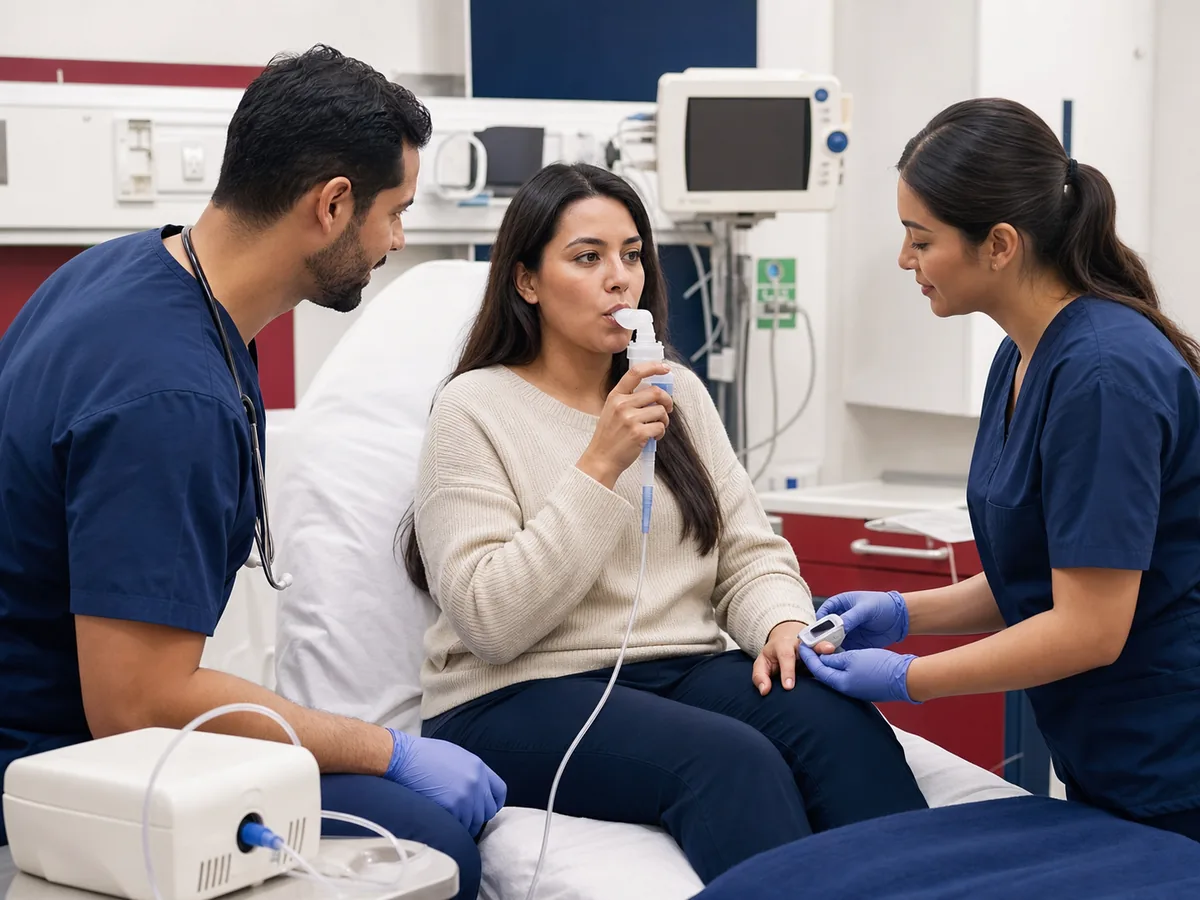
Emergency medical team evaluating a patient with breathing difficulty in Houston
Open 24/7 · Walk-Ins Welcome · Houston 77070

24/7 Breathing & Respiratory Emergency Care in Houston, TX 77070

Get physician-led emergency evaluation for breathing problems, asthma attacks, cough and acute respiratory illness, with on-site testing and imaging when medically appropriate.

Breathing Emergency Care Houston

When Every Breath Feels Difficult

Shortness of breath can begin suddenly or worsen over hours. It may come from the lungs, heart, airway, blood, medication effects or another urgent condition. NorthStar evaluates adults, children and infants around the clock to identify immediate risks and begin appropriate care.

Come in for new, persistent or worsening breathing problems. If breathing is severe, the person is difficult to wake or it may be unsafe to travel by car, call 911.

Important: This page supports general education and does not replace a medical assessment. Treatment depends on the examination and test findings.
Shortness of Breath
Wheezing or Noisy Breathing
Chest Tightness
Persistent or Severe Cough
Rapid Breathing
Low Oxygen Concerns
Symptoms & Possible Causes

Breathing and Respiratory Problems We Evaluate

Different conditions can create similar symptoms. Emergency assessment helps identify the immediate cause and determine the safest next step.

Emergency physician listening to a patient's lungs during a respiratory evaluation
LUNG

Asthma & Wheezing

Assessment of chest tightness, wheezing, coughing and difficulty moving air.

Possible triggers and warning signs

Asthma symptoms may follow infection, allergens, smoke, exercise, weather changes or another trigger. Severe breathlessness, difficulty speaking, exhaustion, blue or gray coloring or symptoms that do not respond to a prescribed rescue medicine require emergency help.
VIRUS

Respiratory Illness

Evaluation of flu, COVID-19, RSV, bronchitis, pneumonia and other acute infections.

Symptoms and complications

Fever, cough, fatigue, congestion, chest discomfort and shortness of breath may overlap. Oxygen measurement, examination, viral testing, chest X-ray or laboratory testing may help assess pneumonia, dehydration and other complications.

ALLERGY

Allergic Reactions

Urgent evaluation of swelling, hives, wheezing or airway symptoms.

When to call 911

Call 911 for swelling of the face, lips, tongue or throat; noisy breathing; faintness; severe wheezing; or rapidly worsening symptoms after food, medication, a sting or another exposure. Use prescribed epinephrine according to your emergency plan when available, then seek emergency care.

HEART

Heart, Blood Clot & Blood-Related Causes

Shortness of breath may come from conditions outside the airways.

Symptoms that raise concern

Chest pain, faintness, palpitations, coughing blood, one-sided leg swelling, unusual fatigue or sudden unexplained breathlessness may require assessment for heart problems, pulmonary embolism, anemia, blood loss or another urgent condition.

PEDS

Infant & Pediatric Breathing Problems

Age-appropriate emergency evaluation for babies, children and teenagers.

Signs parents should watch for

Seek prompt evaluation for fast breathing, chest retractions, nasal flaring, grunting, wheezing, pauses in breathing, blue or gray coloring, feeding difficulty, unusual sleepiness, fewer wet diapers or reduced tears.

Call 911 for severe distress, limpness, unresponsiveness or stopped breathing.

PREG

Breathing Changes During Pregnancy

Assessment of new or significant respiratory symptoms during pregnancy or postpartum.

Pregnancy warning signs

Prompt evaluation is important when breathing difficulty occurs with chest pain, faintness, palpitations, coughing blood, severe headache or one-sided leg swelling. Tell the care team that you are pregnant or recently gave birth.

AIR

Smoke, Vaping & Chemical Exposure

Evaluation after inhalation exposure or sudden airway irritation.

Exposure-related care

Smoke, vaping products, fumes and chemicals can irritate or injure the airway and lungs. Move to fresh air only when safe and call 911 for severe symptoms, confusion, collapse, burns around the face or exposure in an enclosed space.

MORE

Anxiety, Nasal & Sleep-Related Symptoms

Acute evaluation when the cause of breathing discomfort is unclear.

Emergency scope and follow-up

Anxiety can change breathing, but heart, lung and metabolic emergencies may feel similar. Severe nasal congestion and sleep-related breathing symptoms may also need acute assessment when oxygen or airway concerns develop.

NorthStar provides emergency evaluation. This page does not claim nasal surgery, a chronic sinus clinic, sleep-lab testing or long-term respiratory care.

Medication and substance exposure: Call 911 for slow, stopped or irregular breathing, blue or gray color, extreme sleepiness or suspected opioid overdose. Give naloxone if available and you are trained to use it. NorthStar provides emergency stabilization and is not described as a dedicated addiction-treatment center.
Urgent Asthma Treatment

Emergency Asthma Evaluation and Care

An asthma flare can progress quickly. The care team evaluates breathing effort, oxygen level, lung sounds, vital signs, medical history and response to treatment.

Medical team providing emergency asthma treatment and respiratory testing

Recognize a Severe Attack

  • Struggling to speak or walk
  • Severe chest tightness or breathlessness
  • Blue or gray lips or skin
  • Exhaustion, confusion or fainting
  • Little improvement after prescribed rescue medicine

Emergency Assessment

Evaluation may include oxygen measurement, heart and lung examination, chest X-ray, EKG, blood testing or viral testing when the physician needs to check for infection or another cause.

Individualized Treatment

Care may include an inhaled breathing treatment, corticosteroid, oxygen, IV medication or fluids, monitoring, airway support, or stabilization and transfer. The exact treatment depends on clinical findings.

After the emergency: Ongoing asthma control may require follow-up with a primary-care clinician, allergist or pulmonologist. This page does not claim an on-site pulmonologist, respiratory therapist or pulmonary-rehabilitation program.
Cough & Infection Evaluation

When Cough or Respiratory Illness Cannot Wait

A cough can be caused by infection, airway irritation, asthma, pneumonia, heart concerns or another condition. The entire symptom pattern guides care.

Cough Warning Signs

Seek emergency care when cough occurs with severe shortness of breath, chest pain, blue or gray coloring, confusion, fainting, coughing blood, dehydration, a very high-risk medical condition or rapidly worsening illness.

NorthStar evaluates acute symptoms; the page does not promise that every cough needs imaging, antibiotics or a specific medication.

Bronchitis, Flu & Pneumonia

Bronchitis is often viral, so antibiotics are not appropriate for every case. NorthStar confirms on-site flu, COVID-19 and RSV testing. A physician may also order strep testing, chest X-ray, CT or laboratory work when symptoms suggest pneumonia or another complication.

Treatment is selected after medical evaluation and may include symptom relief, hydration, breathing support, antivirals for eligible patients or antibiotics when a bacterial infection is diagnosed or strongly suspected.

On-Site Diagnostic Support

Respiratory Testing and Imaging Near You

Not every patient needs every test. The emergency physician selects diagnostics based on symptoms, examination findings and medical history.

Oxygen & Physical Assessment

Pulse oximetry, vital signs, breathing effort and heart and lung examination.

Digital Chest X-Ray

May support evaluation for pneumonia and other chest concerns.

Multi-Slice CT

Detailed imaging when a blood clot, complex lung condition or another urgent cause is suspected.

Flu, COVID-19, RSV & Strep

On-site testing used when clinically appropriate and interpreted with the examination.

Laboratory Testing

Blood work may assess infection, anemia, organ function, dehydration and metabolic causes.

EKG & Cardiac Markers

May be used when symptoms raise heart-related concerns.

Bedside Ultrasound

Focused imaging that may support selected heart, lung or vascular evaluations.

Physician Reassessment

Test results and treatment response are considered together to guide next steps.

Specialty Transfer When Needed

Patients can be stabilized and transferred when a higher level of respiratory care is required.

Service scope: Respiratory testing for acute illness is different from occupational respirator-fit testing. This page does not claim fit testing, sleep studies or an on-site respiratory specialty clinic.
Physician-Directed Care

Breathing Emergency Treatment Options

Treatment begins after an individual medical assessment. NorthStar does not promise a particular medicine or result before the cause and severity are evaluated.

Oxygen & Monitoring

Supplemental oxygen and ongoing reassessment when indicated by clinical findings.

Breathing Treatments

Inhaled medication and corticosteroid therapy may be used for asthma or airway inflammation.

Allergy Treatment

Epinephrine and other medication may be used for a serious allergic reaction when indicated.

Infection Treatment

Antibiotics for appropriate bacterial illness or antiviral therapy for eligible patients.

IV Medication & Fluids

May support hydration, medication delivery or treatment of contributing conditions.

Heart & Metabolic Care

Treatment can address non-lung causes identified during emergency evaluation.

Airway Support

Emergency airway and breathing support may be started when a patient cannot breathe adequately.

Stabilization & Transfer

A higher level of care can be arranged when hospital admission or specialty services are needed.

Your Emergency Visit

What to Expect at NorthStar

Walk In

Visit at any hour for initial assessment of vital signs, oxygen level and symptom severity.

Physician Exam

Review symptoms, triggers, exposures, medications, health conditions and breathing history.

Focused Testing

Respiratory tests, blood work, EKG or imaging may be completed when appropriate.

Begin Treatment

Receive individualized breathing support, medication, fluids or other emergency care.

Clear Next Steps

Receive discharge guidance, follow-up recommendations or coordinated transfer when needed.

Why NorthStar

Respiratory Emergency Care in One Location

Open 24/7

Nights, weekends and holidays, without an appointment.

Adults, Children & Infants

Emergency respiratory evaluation across age groups.

Testing & Imaging On Site

Confirmed respiratory testing, lab, X-ray, CT, ultrasound and EKG capabilities.

Houston 77070

Convenient to Cypresswood, Spring, Klein and Willowbrook.

Helpful Answers

Breathing & Respiratory Emergency FAQs

When is a breathing problem an emergency?

Call 911 for severe breathing difficulty, gasping, choking, blue or gray coloring, confusion, fainting, chest pain, severe allergic swelling or an asthma attack that is not improving with prescribed rescue medicine.

Can I walk in for an asthma attack?

Yes. NorthStar accepts walk-ins 24/7 for asthma symptoms and breathing problems. Call 911 instead when symptoms are severe, rapidly worsening or make private transport unsafe.

What respiratory testing is available?

When medically appropriate, evaluation may include oxygen measurement, chest X-ray, CT, bedside ultrasound, EKG, blood testing, and flu, COVID-19, RSV or strep testing.

Are respiratory specialists available on site?

NorthStar provides physician-led emergency evaluation and stabilization. This page does not claim an on-site pulmonologist or respiratory therapist. The team may arrange specialty follow-up or transfer when needed.

Should breathing difficulty during pregnancy be evaluated?

New or significant shortness of breath during pregnancy should be assessed, especially with chest pain, faintness, palpitations, coughing blood or one-sided leg swelling. Call 911 for severe symptoms.

When should a baby be seen for breathing problems?

Prompt evaluation is important for fast breathing, chest retractions, nasal flaring, grunting, wheezing, pauses in breathing, blue or gray color, feeding difficulty, unusual sleepiness or reduced wet diapers.

Can anxiety cause shortness of breath?

Anxiety can change breathing, but heart, lung and metabolic emergencies can feel similar. New, severe or unexplained symptoms need medical evaluation.

When does a cough need emergency care?

Seek emergency care when cough occurs with severe shortness of breath, chest pain, blue or gray coloring, confusion, fainting, coughing blood, dehydration or rapidly worsening illness.

Does NorthStar provide occupational respirator fit testing?

No occupational respirator-fit testing service is claimed on this page. NorthStar evaluates acute breathing symptoms and respiratory emergencies.

What should I bring?

If readily available, bring identification, medication and allergy lists, inhalers or other prescribed rescue medicines, recent test results and relevant medical history. Do not delay emergency care to gather documents.

Houston, TX 77070 · Open 24/7

Get Emergency Care for Breathing Problems Now

Visit NorthStar for physician-led evaluation of shortness of breath, asthma attacks, severe cough and acute respiratory illness. No appointment is required. Call 911 for severe or life-threatening symptoms.

Call NowGet Directions